CAS bids farewell to two Young CAS projects that have advanced our understanding of human health and linguistic capacities.
2022/2023
Infant Gut Microbiome Acquisition
Infant Gut Microbiome Acquisition
Off to a Healthy Start
Natural Sciences

Principal investigators
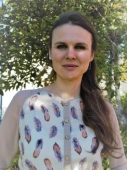
Veronika K. Pettersen
Associate Professor
UiT The Arctic University of Norway (UiT)
Year at CAS
Abstract
The microbial community that lives inside the gastrointestinal tract, the gut microbiome, is a key factor guiding human health and disease. Mother-to-child microbial transmission plays a central role in the initial gut colonisation and optimal microbiome maturation, with the maternal microbiome being the main source of the infant’s microbes. However, modern lifestyles have changed how maternal microbes are transmitted to a child. Among factors severely altering the microbiome maturation is antibiotic use during pregnancy, birth, and infancy, which exposes the child to a risk of acute infections and later chronic diseases.
This project connected experts in microbiology, clinical science, epidemiology, and bioinformatics, which together discussed a roadmap for translational microbiome research. The overarching goal was to outline a strategy on how to effectively harness knowledge on early life human microbiome for disease susceptibility diagnostics and the development of preventive biotherapeutics. Initially, three workshops examined current microbiome-focused mother-child population studies, analytical and computational approaches for mining microbiome data, and experimental models for defining causality. In a subsequent research stay, a core group of researchers developed a conceptual framework for microbiome transmission in early life and guidelines on study design. The team also performed a meta-analysis of infant metagenomic studies, which revealed previously unknown patterns of gut microbiome maturation.
Fellows

Nele Brusselaers
Associate Professor of Clinical Epidemiology
Karolinska Institutet
Year at CAS
Maria Del Mar Esteban Torres
Marie-Currie Postdoctoral fellow
Institute of Agrochemistry and Food Technology, Valencia
Year at CAS
News
The microbial community that lives inside the gut, the gut microbiome, is a key factor guiding human health and disease. Veronika K. Pettersen’s Young CAS Fellow project will give us new knowledge about how the maternal microbiome contributes to the founding of the infant microbiome.